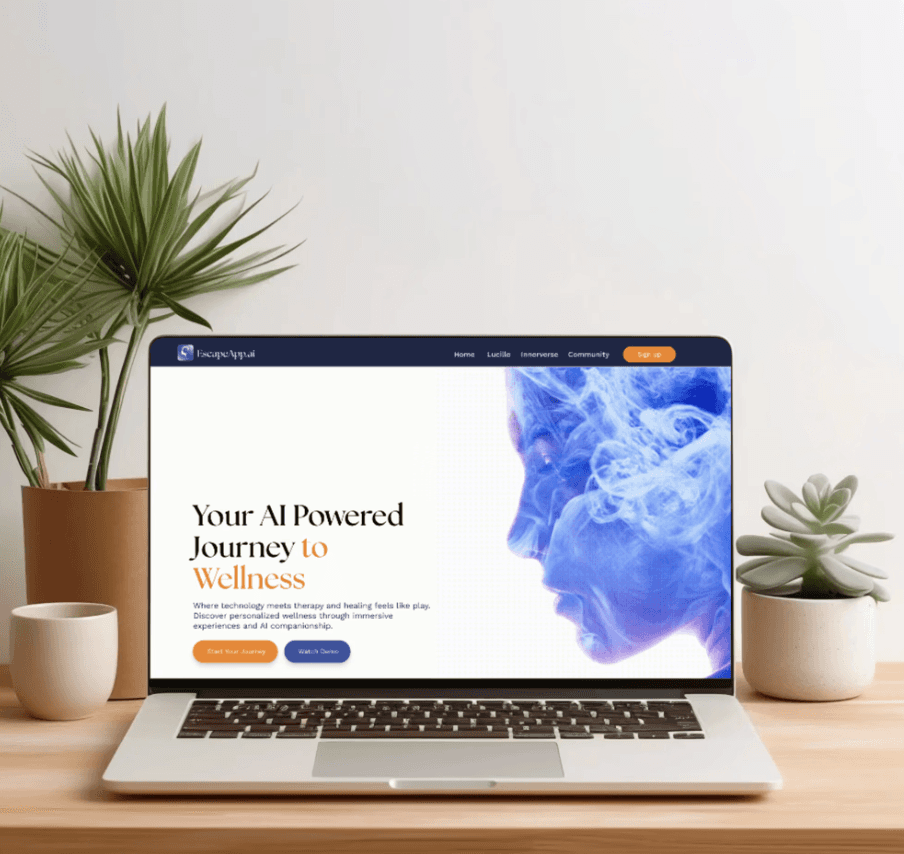
UX/UI Design • Narrative Design • User Research
Innerverse
A Self-Care Metaverse Immmersive Game Through the Seven Chakras
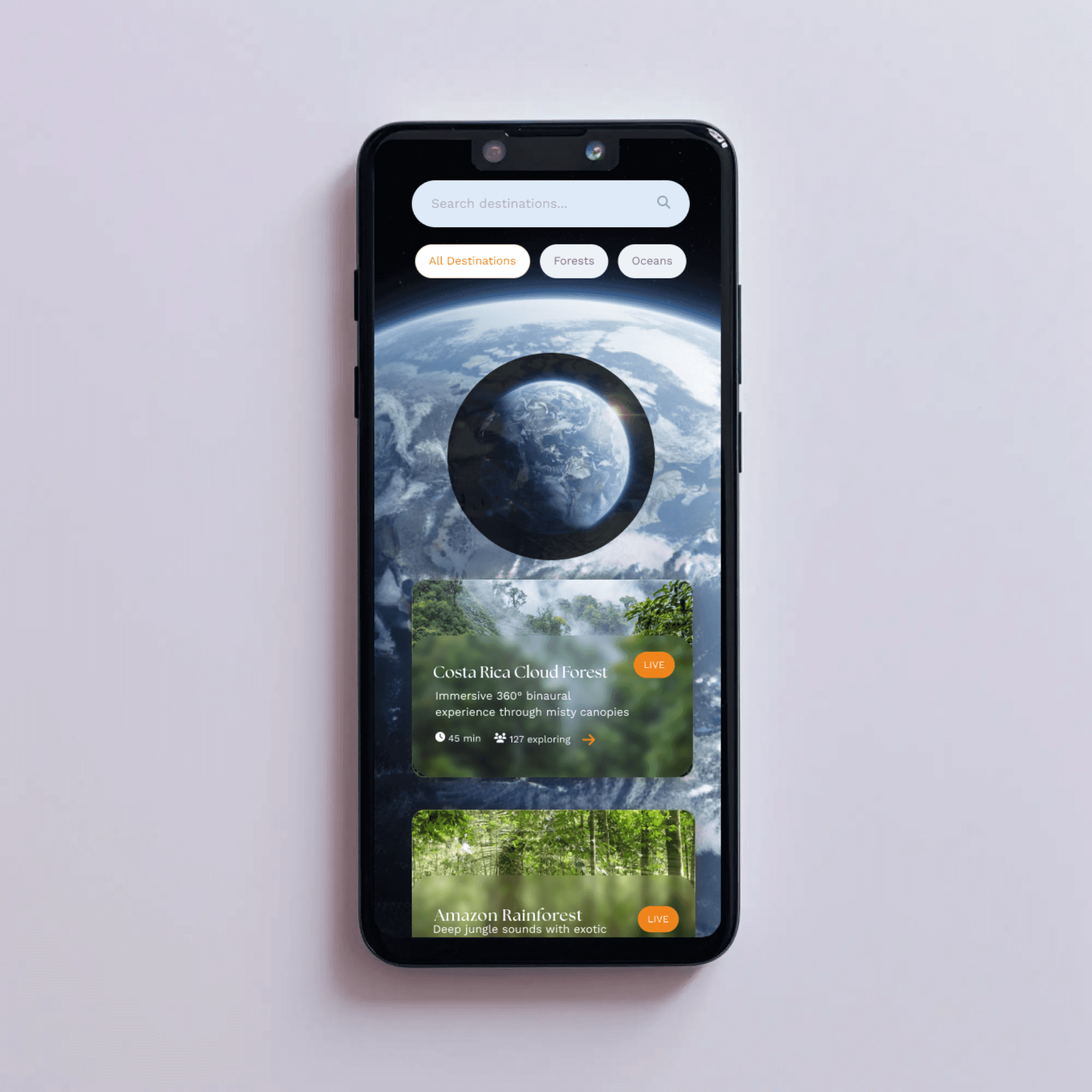
Designing an immersive 3D wellness experience that transforms mental health gaming through Unreal Engine 5, AI-driven personalization, and therapeutic storytelling
7
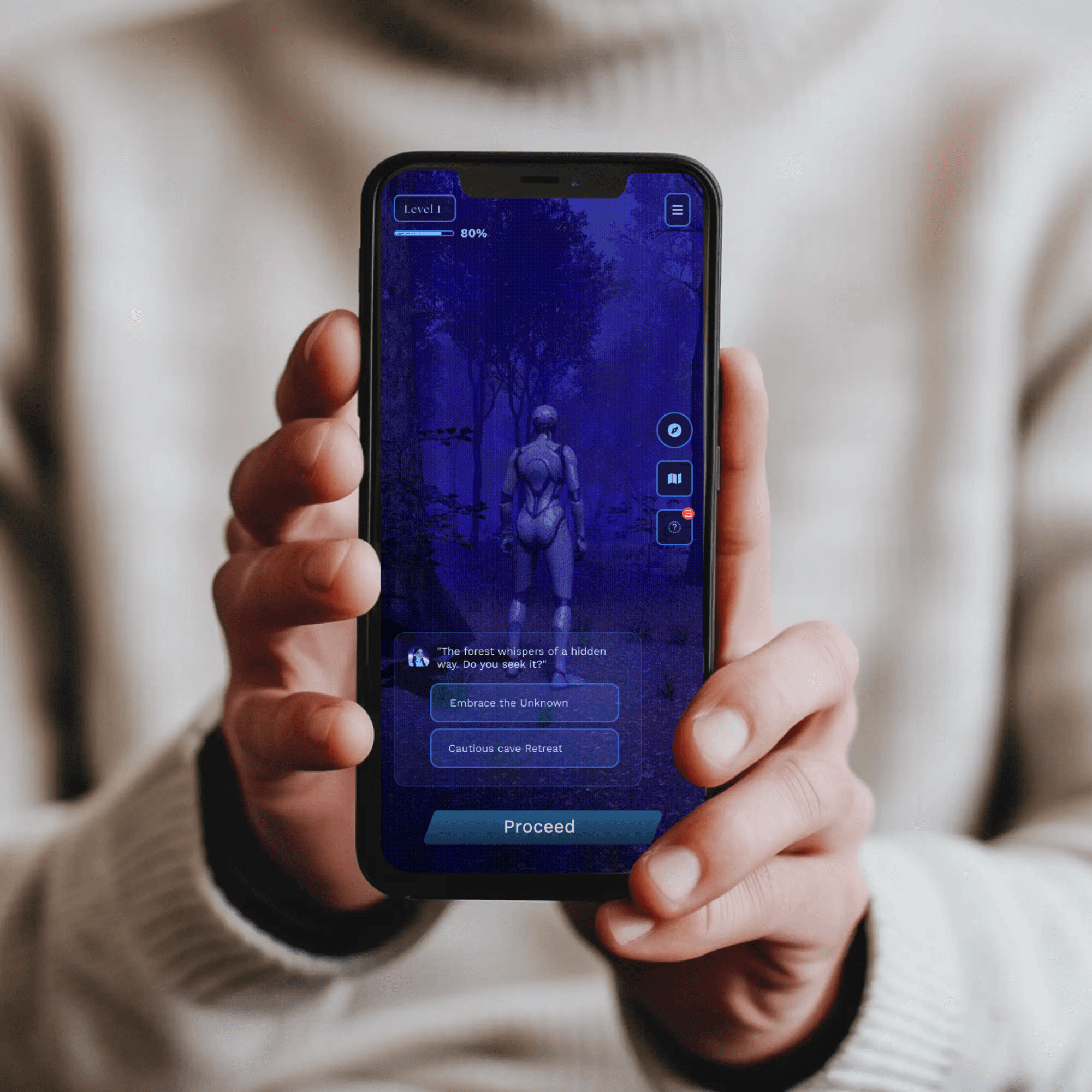
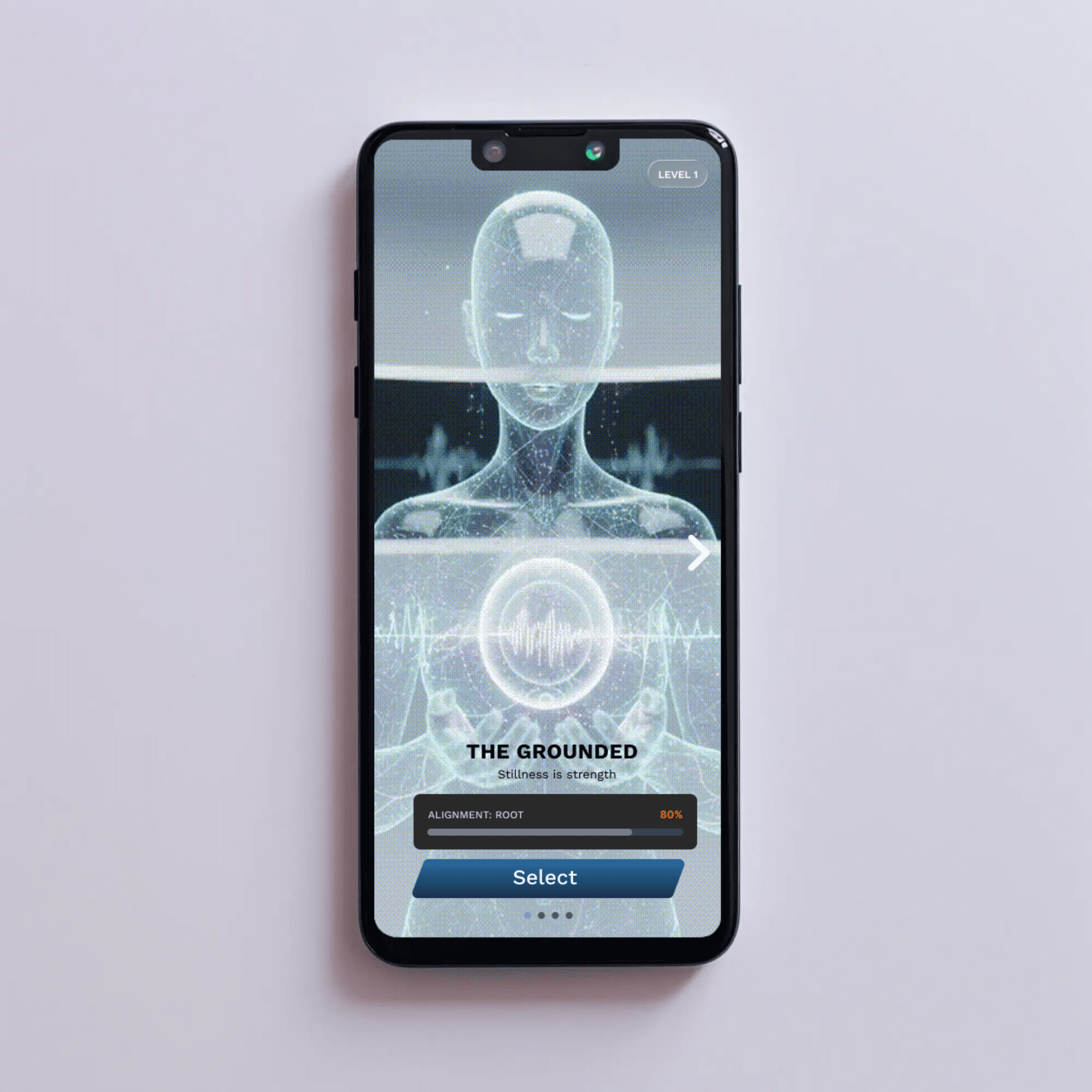
Chapters mapping psychological growth to chakra progression
15+
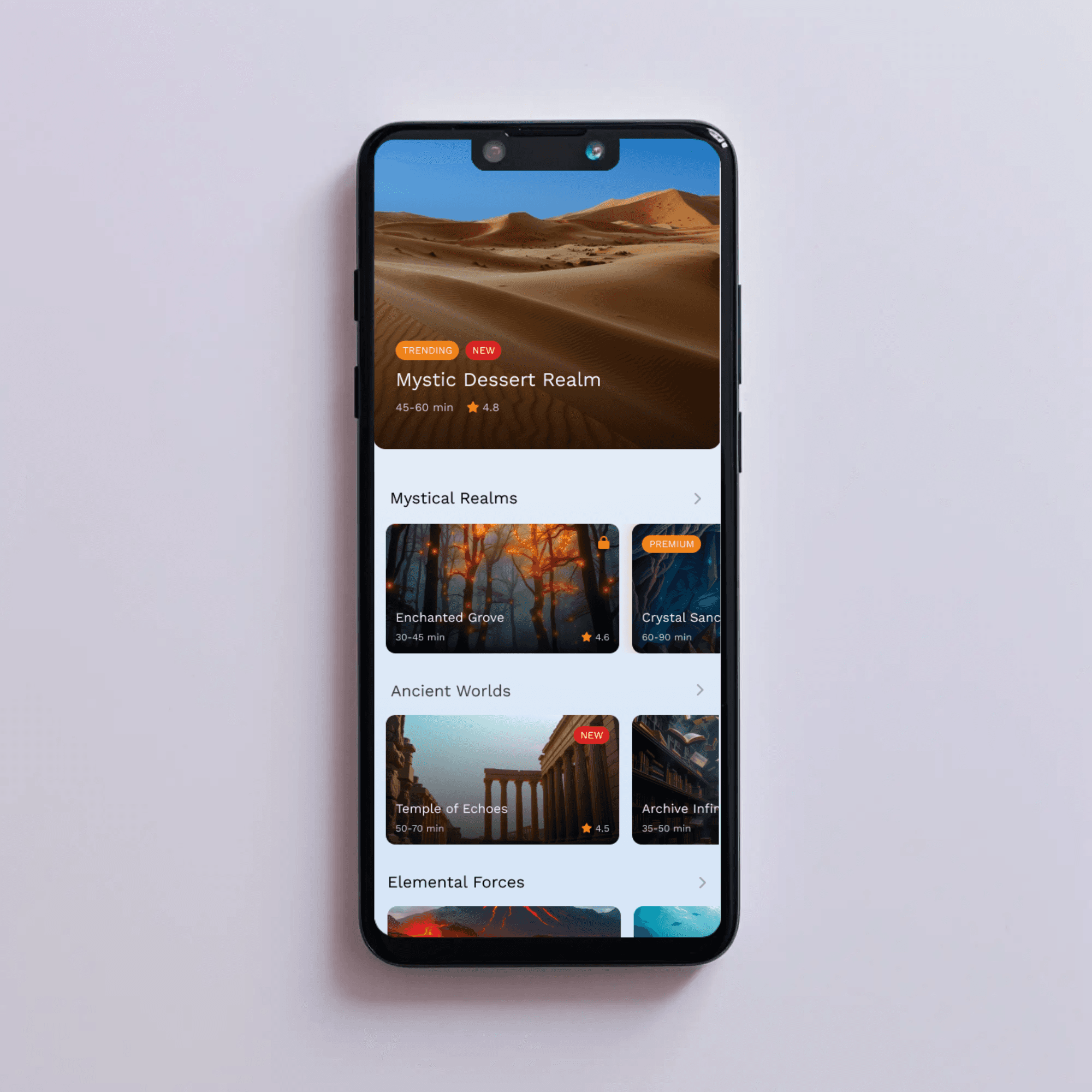
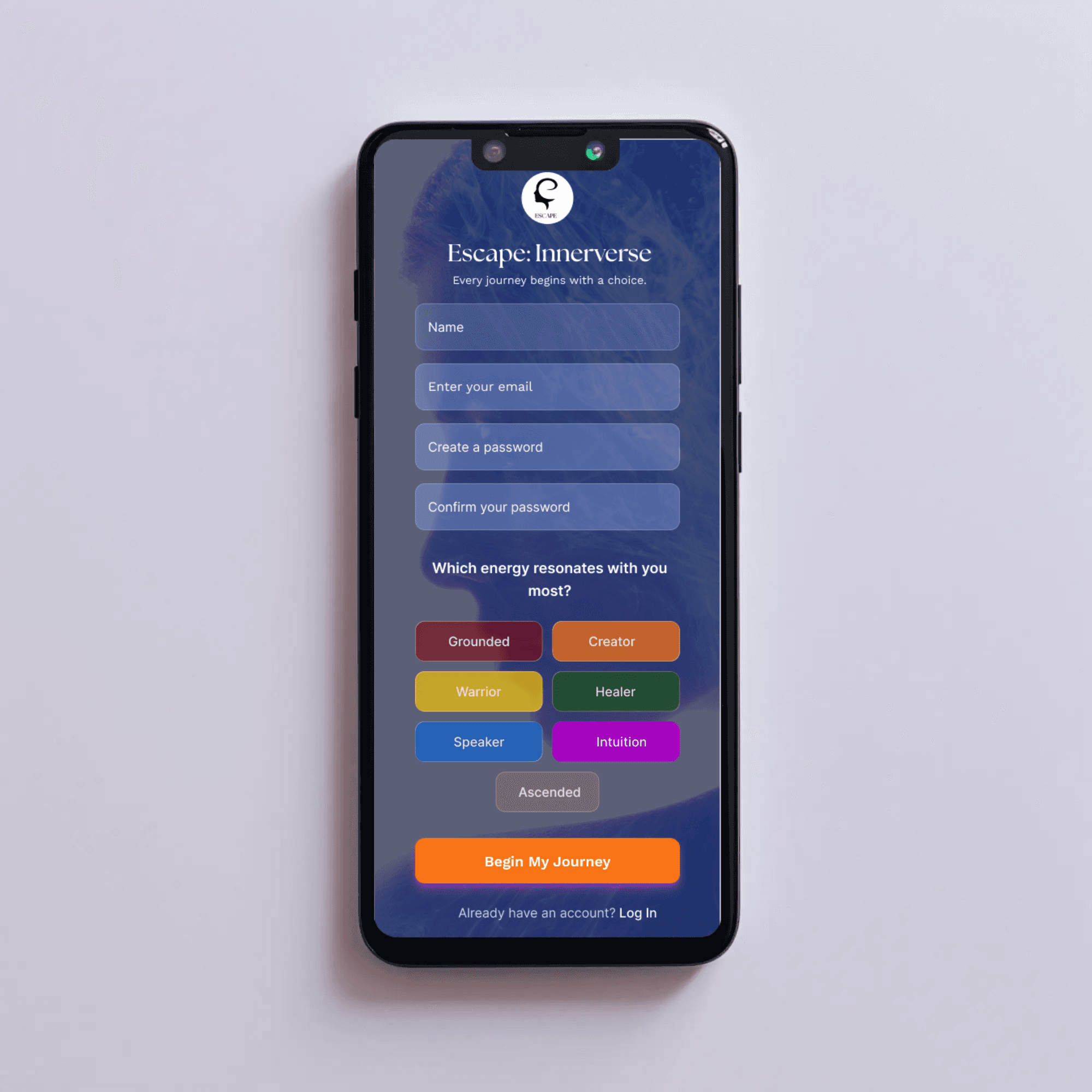
Unique screen flows designed for seamless UX
CBT
Therapeutic principles integrated with gamification
AI
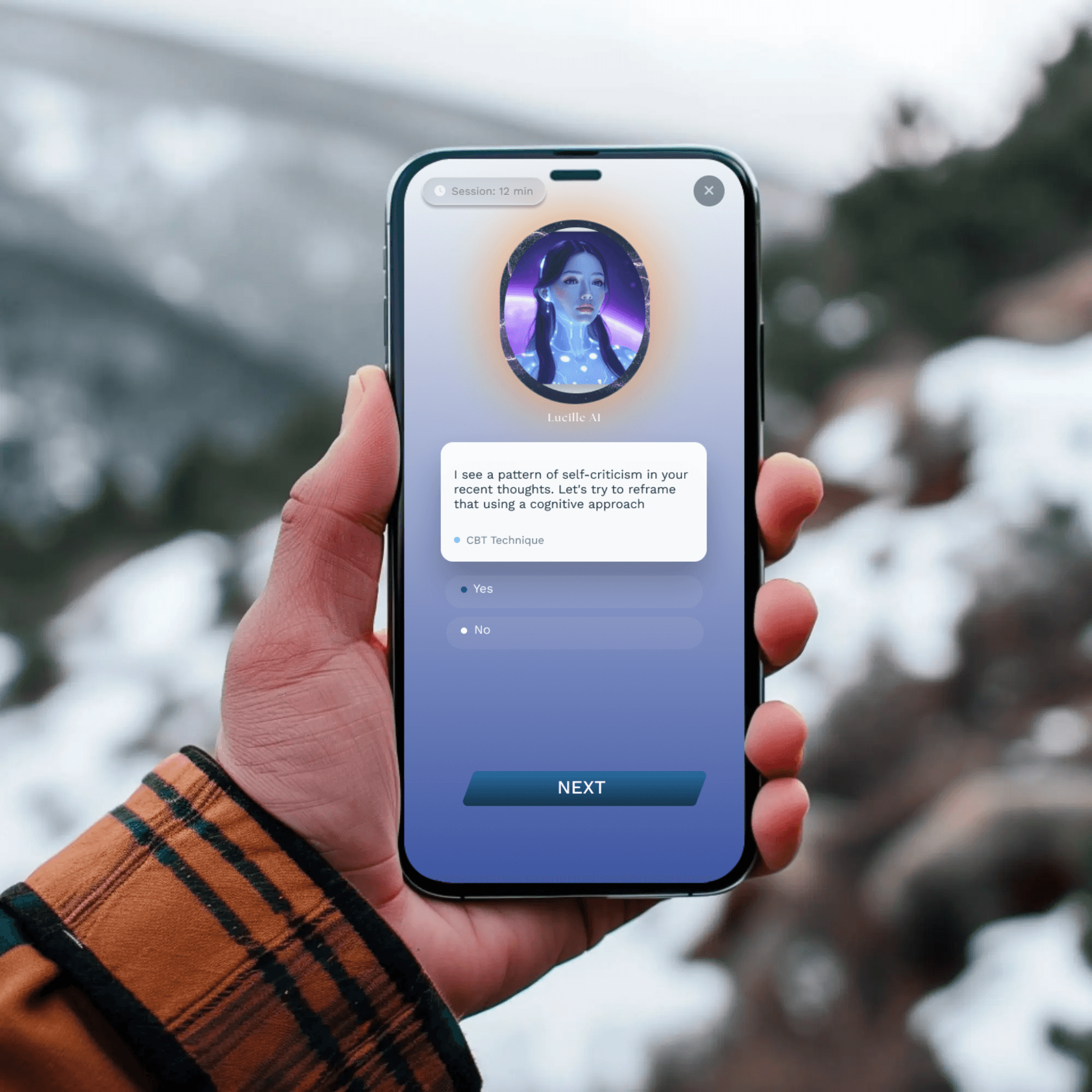
Real-time mood adaptation through Computer Vision
Role
UX/UI Designer, Narrative Designer, User Researcher
Tools
Unreal Engine 5, Figma, User Research Methodologies, Storyboarding
Explore Case Study
View Impact & Metrics

01. Problem Space
The Challenge
Rethinking digital wellness beyond passive meditation
Context
Digital wellness apps like Calm and Headspace have saturated the market with passive meditation experiences, but they lack:
Interactive Engagement
That sustains long-term behavior change
Personalized Adaptation
Based on real-time emotional states
Immersive Environments
That create emotional resonance
Clear Progression
That visualizes internal growth
Problem Statement
"How might we create an immersive self-care experience that combines therapeutic effectiveness with engaging gameplay, making mental wellness practices feel rewarding rather than obligatory?"
Design Challenge
Balance the intrinsic motivations of therapy
(self-discovery, healing) with
(rewards, progression, achievement) without letting gamification overshadow therapeutic goals. extrinsic motivations of gameplay
02. User Research
Understanding Our Users
Deep research insights that shaped the experience
Methodology
Personas
Key Insights
Competition
User Interviews
10-15 participants, adults 25-45 experiencing stress or seeking personal growth
"Meditation apps feel boring after the first week"
"I don't see tangible progress in my mental health journey"
Competitive Analysis
Calm/Headspace
Strong content, weak engagement loops
Therapy Games
Clinical focus, lack visual appeal
Open-World Games
Great storytelling, no therapeutic framework
Literature Review
• Dual-Loop Model for Therapeutic Gamification (JMIR)
• Gamification effectiveness in mental health apps (PMC studies)
• Chakra psychology as framework for emotional healing

03. Information Architecture
User Journey & Flow
Mapping the path from discovery to sustained engagement
Core User Journey Map
DISCOVER
ONBOARD
ENGAGE
REFLECT
GROW
RETURN
Dual-Loop System Architecture
Main Mission Loop (Therapy World)
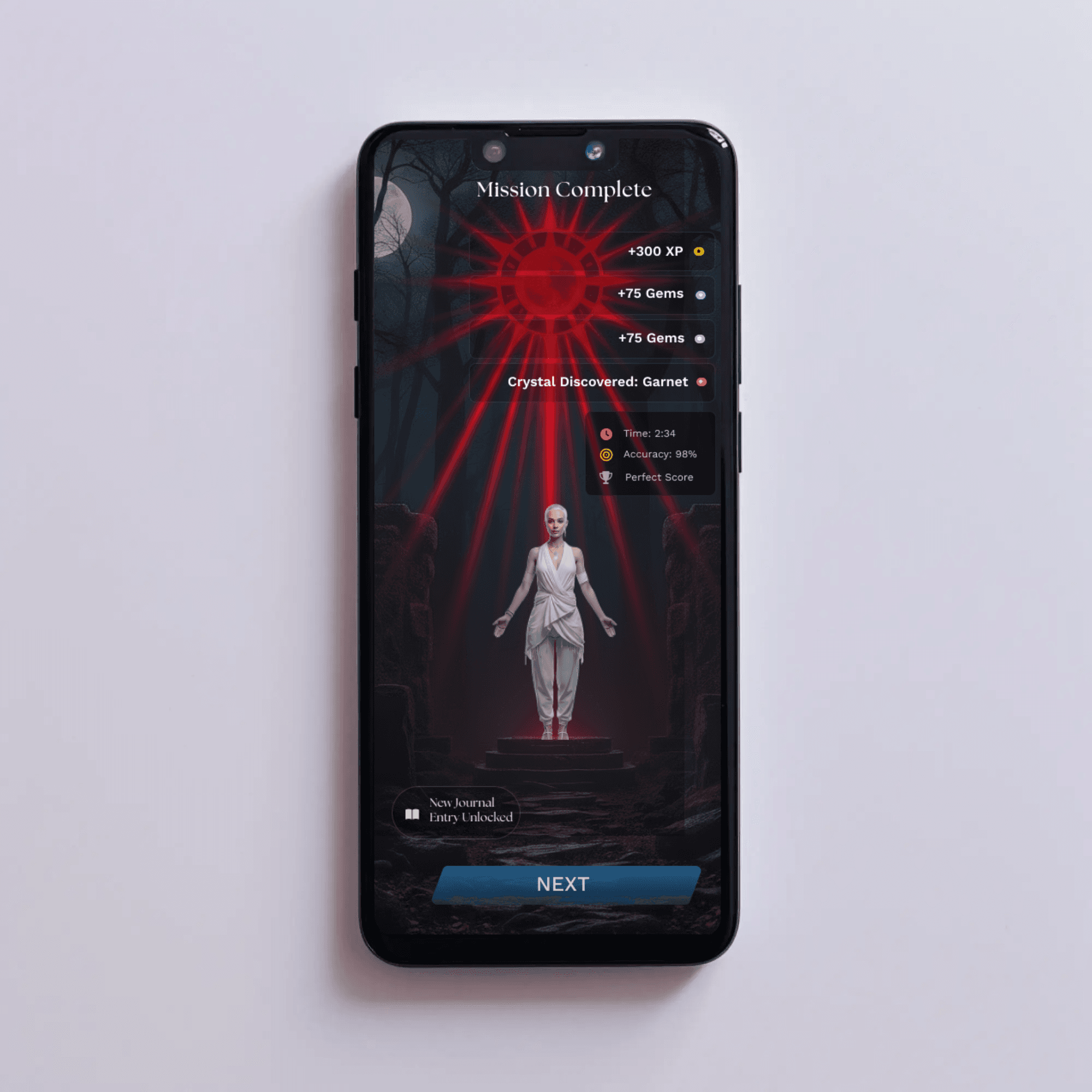
Enter Chapter
Lucille Introduces Theme
Environmental Puzzle
Journal Entry Required
Landscape Transforms
Progress to Next Mission
Chapter Complete
Daily Quest Loop (Game World)
Daily Login
3 Personalized Quests Offered
Choose & Complete
Points + Streak
Accelerates Main Story
Cosmetic Rewards
Next Day Return
Intersection Point: Both loops feed into
• Lucille's adaptive AI learning
• Avatar visual progression
• Overall chakra balance visualization

04. Storyboard & Narrative
Seven-Chapter Narrative Arc
A journey through psychological growth mapped to chakra progression
Storyboard Framework
Adventure with emotional growth elements
Genre
Adventure with puzzle-solving and exploration mechanics
Theme
Overcoming self-doubt and fear through persistence
Characters
•
Player:
Inner voice of doubt and encouragement
•
Lucille:
Guiding voice and AI companion
Narrative Twist
The guiding voice is actually a manifestation of the player's own inner wisdom. The cavern's transformation mirrors the player's internal change.

05. Unreal Engine 5
Technical Implementation
Leveraging next-generation technology for therapeutic immersion
Why Unreal Engine 5?
Nanite
Virtualized geometry enables ultra-detailed environments without performance loss on mobile
Lumen
Real-time global illumination for therapeutic feedback (fog lifting = literal enlightenment)
MetaHuman
High-fidelity avatar customization for player identity and Lucille AI embodiment
Blueprint
Visual scripting enables rapid prototyping of mood-adaptive gameplay mechanics
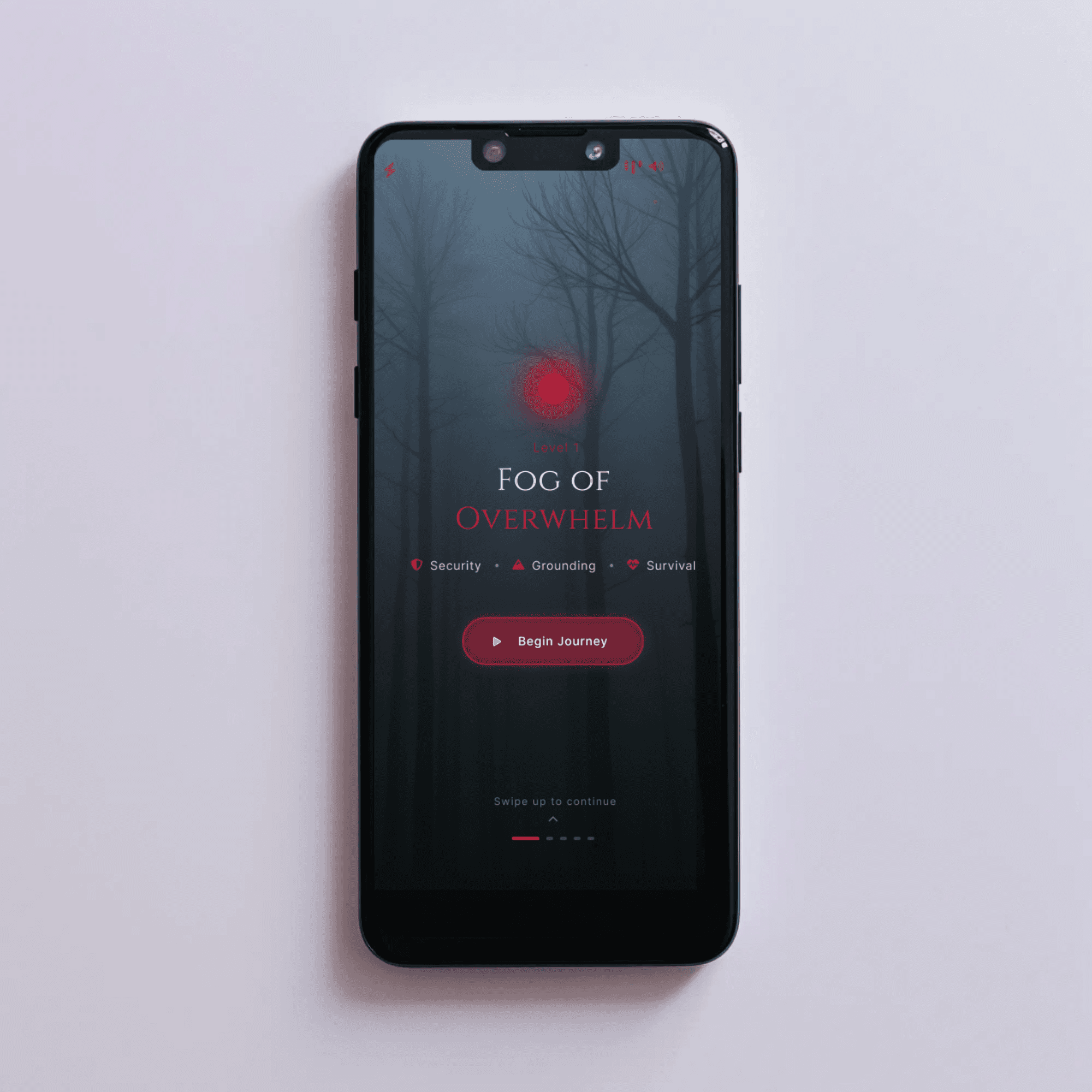
Environment Design: Chapter 1 - Fog of Overwhelm
Technical implementation breakdown
Visual Reference
• Pacific Northwest forests
• Dark Souls ambiance
• Zelda: BOTW art style
Color Palette
Dark grays/browns → Vibrant greens/golds
Lighting Progression
Overcast → Sun rays through canopy
Technical Systems
Volumetric fog system:
Density decreases by 20% per journal entry completion
Procedural foliage:
15,000+ trees with LOD optimization for mobile
Dynamic weather:
Rain intensity tied to player's self-reported stress level
Audio design:
Thunder fades to bird songs as transformation occurs
Mobile Optimization Strategy
Challenge:
UE5's high-fidelity graphics on mobile devices
Adaptive Resolution Scaling
720p-1080p based on device capability
Asset Streaming
Load only visible environment chunks (3-section lookahead)
Shader Complexity Management
2 material complexity tiers (flagship vs. mid-range)
Frame Rate Targeting
Smooth 30fps guaranteed; 60fps on high-end devices

Impact & Metrics
Measuring Success
Quantitative and qualitative outcomes
70%
Daily Active Users
Of registered users
22 min
Avg Session Length
Target: 18-25 minutes
87%
Journal Completion
Critical for therapeutic efficacy
62%
Day 7 Retention
Target: > 60%
40%
Chapter Completion
Industry avg: 8%
30%
Stress Reduction
By Chapter 3 (self-reported)
User Testimonials
"This is the first meditation app that actually made me excited to open it every day"
— Beta Tester
"I didn't realize I was doing therapy until I looked back at my journal entries. Brilliant design."
— User Review
"The environment changes made me cry. I felt seen."
— Survey Response
What Worked
Dual-Loop Model
Separating narrative from habit formation prevented burnout
Immediate Feedback
Reflection Loop's visual rewards were the most powerful retention mechanic
Unreal Engine Choice
High visual fidelity created emotional resonance text-based apps can't achieve
Challenges Overcome
Balancing Therapy & Gaming
Early prototypes felt "too clinical" or "trivializing"—solved through therapist collaboration
Mobile Performance
UE5 optimization for mid-range devices required 6 weeks—crucial for accessibility
AI Ethics
Ensuring Lucille felt supportive, not creepy—required careful UX writing and consent flows
If I Could Do It Again
→
Earlier user testing:
Would prototype Chapter 2-3 before finalizing Chapter 1 (discovered users wanted more puzzle variety)
→
Deeper IoT integration from start:
Apple Health connection was an afterthought; should've been core feature
→
Community features:
Users requested way to share (anonymized) progress with friends; adding in next update
PROJECTS
Edtech
Vivomind
Designing a heartfelt solution to help kids find balance in a digital world.
Escape.ai
Saas Product Design
Designing Escape’s content partnership ecosystem for community and brand expansion.
Escape.ai
Website Design
Complete website design centered on self-care and immersive storytelling.